
The Horn- The Real Argentine Food

Business behind the World Cup and cases like «Los Hornos - The Real Argentine Food»

Each World Cup mobilizes global audiences, multi-billion dollar investments and an economic network that extends far beyond the stadiums.

Football works as a catalyst for consumption, tourism, hospitality, gastronomy, content and retail trade.

The focus is often on transmission rights, official sponsors and major brands. However, a significant part of economic value is generated in companies that build experiences associated with the event. Restaurants, tourist operators, hotel chains, specialized shops and gastronomic enterprises participate in an economy driven by the massive concentration of consumers.

In this scenario, an increasingly visible phenomenon emerges: the ability of small and medium-sized enterprises to capture value from cultural identity.

The World Cup as a global consumer platform

FIFA projects audiences that exceed billions of viewers during each edition of the World Cup. This exhibition makes the tournament one of the most relevant entertainment events on the planet.

The economic consequence has multiple industries:

  • International tourism.
  • Gastronomy.
  • Hospitality.
  • Retail.
  • Audiovisual production.
  • Advertising.
  • Corporate events.
  • Electronic commerce.

Global attention creates an extraordinary demand for experiences related to the participating countries. Consumers look for products, flavors, symbols and content that strengthen the emotional connection to the tournament.

The entertainment economy increasingly incorporates cultural components that expand business opportunities.

The gastronomy has a leading role in the sports ecosystem

The major sports events drive an evolution in consumption habits. The viewer seeks complete experiences that combine entertainment, cultural identity and socialization.

The gastronomy is central to this dynamic.

During the world, theme restaurants, meeting spaces for fans and the gastronomic proposals associated with a national selection have significant increases in demand.

The phenomenon is of particular relevance to countries with a strong cultural position. Argentina has globally recognized attributes through meat, empanadas, roast, wines and social experience associated with food.

The gastronomy is thus transformed into a country-brand construction tool.

Case «The Furnaces» and the export of an Argentine experience

In this context the case of «The Furnaces - The Real Argentine Food.»

The proposal is based on a simple and powerful concept: to bring an authentic Argentine gastronomic experience to international consumers.

Cultural identity functions as a central asset of the business. The gastronomic product is complemented by a narrative linked to the customs, flavors and rituals associated with Argentine culture.

During global sports events, especially those where the Argentine team concentrates international attention, this type of business finds an opportunity for commercial expansion and strengthening of positioning.

The audience seeks to live an experience related to the leading country. The gastronomy allows this connection to be realized immediately.

Global hearings and community building

The growth of sport-related business also responds to a transformation in consumer behaviour.

Digital communities amplify the scope of gastronomic brands. Social networks, video platforms and user-generated content allow specialized enterprises to reach international audiences with much smaller investments than those required by traditional media.

The digital conversation generated around the World Cup multiplies the visibility of differentiated proposals.

The businesses that articulate face-to-face experience, digital content and a clear identity can capture part of that attention.

The capacity to generate community acquires a strategic value comparable to that of physical location or advertising investment.

New sources of profitability within entertainment

The global economic ecosystem shows a consistent trend: diversification of income sources.

The cost-effectiveness is distributed among multiple actors involved in consumer experience.

For gastronomic and entertainment companies, some relevant opportunities include:

  • Thematic events during the games.
  • Partnerships with marks.
  • Premium experiences.
  • Production of own content.
  • Sale of trading.
  • Fidealization programs.
  • Activations linked to fanatic communities.

The convergence between entertainment, gastronomy and brand experience expands the economic potential of these models.

What signs should be observed by industry entrepreneurs

The evolution of the entertainment business shows a clear trend: the audiences seek integral experiences with strong emotional and cultural component.

Global sports events will continue to function as consumption and positioning accelerators.

Companies that manage to associate identity, community and experience have a greater chance of capturing value in this scenario.

The case of The Furnaces It illustrates how a business can take advantage of the international visibility of Argentine culture to build commercial relevance in competitive markets.

The ability to transform a cultural identity into a consistent economic proposal appears as one of the most relevant strategic variables for the coming years.

Slide

Evaluate a commercial diagnosis

Identify blocks and real opportunities for growth.


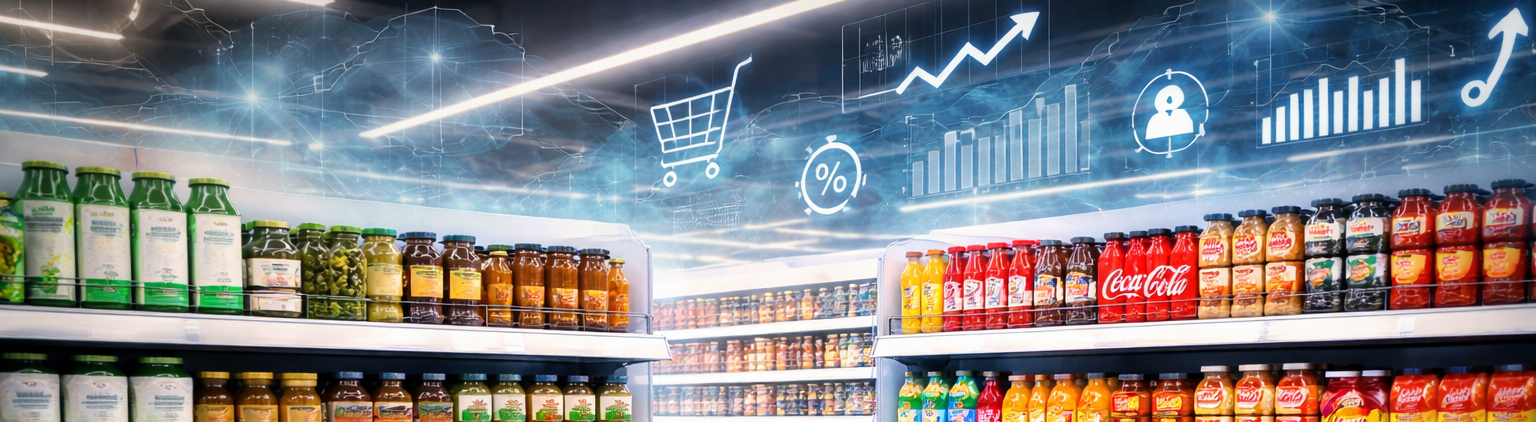
The rise of its own brands and dynamic pricing redefines the competition in retail

Large retail chains are strengthening their own product portfolio while incorporating data analysis and artificial intelligence technologies to adjust real-time prices.

In recent years, the consumption and retail has undergone a profound transformation driven by changes in consumer behaviour, the digitization of trade and inflationary pressure in many markets. In this context, two strategic trends are beginning to be consolidated at the global level: growth of own brands (private label) and the increasingly sophisticated adoption of dynamic pricing strategies.

Large retail chains are strengthening their own product portfolio while incorporating data analysis and artificial intelligence technologies to adjust real-time prices. This double movement is not only aimed at improving margins, but also at strengthening direct relations with the consumer and increasing competitiveness against traditional brands.

The structural growth of own brands

The own markstraditionally associated with low-cost products, they are moving towards higher value-added proposals. According to various sectoral analyses published by international consultants and data platforms such as Statista and McKinsey, retail chains are expanding these lines to premium, healthy or sustainable segments.

This phenomenon responds to several factors:

  • Increased price sensitivity by consumers in inflationary contexts.
  • Greater margin control for the retailers.
  • Strategic differentiation against competitors.

Global retail companies have shown that their own brands can become a strategic asset. In developed markets, these lines already represent a significant portion of sales in categories such as food, cleaning products and personal care.

In addition, the chains use these marks to building identity and fidelity, something particularly relevant in environments where e-commerce and price comparison have reduced traditional loyalty to industrial brands.

The sophistication of dynamic pricing

In parallel, the use of dynamic pricing is rapidly expanding in the retail sector. This strategy consists of flexible price adjustment based on multiple variables:

  • Demand in real time.
  • Consumer behaviour.
  • Inventories available.
  • Competition prices.
  • Macroeconomic conditions.

The availability of large volumes of data and the use of advanced algorithms allow companies to optimize their price strategy with a precision that was unthinkable just a decade ago.

Originally associated with sectors such as air transport or hotel, dynamic pricing is beginning to be implemented in supermarkets, electronic commerce and omnicanal retail chains.

According to a number of reports from the technology sector and e-commerce, the adoption of advanced analytical and artificial intelligence It can improve both profitability and inventory rotation while better adapting supply to consumer expectations.

The convergence of both strategies

The combination of own marks and dynamic pricing opens up a new strategic dimension for the retail sector.

By directly controlling product development and price positioning, retailers can respond more quickly to market changes. This allows:

  • Adjusting prices based on demand elasticity.
  • Positioning own products in front of leading brands.
  • Optimize margins in key categories.
  • React quickly to movements of competition.

In practice, this transforms the retailers into real brand portfolio managerswith a growing capacity to influence the value chain.

Implications for traditional brands

This scenario also poses important challenges for traditional manufacturers. As retailers strengthen their own brands, industrial brands face increased pressure in terms of price, positioning and differentiation.

To maintain competitiveness, many companies are strengthening strategies based on:

  • Product innovation.
  • Construction of brand.
  • Premium value proposals.
  • Omnicanal experiences.

In parallel, competition for gondola space and visibility on e-commerce platforms is intensified, where algorithms and data management also influence product exposure.

Impacts in Latin America

Although the development of these strategies has been more rapid in Europe and North America, the trend is beginning to be consolidated. Latin America.

Several regional retailers are investing in:

  • Development of own brands.
  • E-commerce platforms.
  • Price analysis tools.
  • Advanced inventory management systems.

The growing digitization of trade and competitive pressure on urban markets are accelerating the adoption of these practices.

For industry companies in the region, the capacity to integrate data, technology and trade strategy It will be increasingly decisive to sustain competitiveness.

Strategic perspective

The progress of the own brands and the dynamic pricing reflects a deeper transformation of the retail sector: the step towards data-based business models and strategic supply control.

In this new environment, companies will have to develop capacities in three key dimensions:

1. Advanced analysis
Price and portfolio management requires intensive use of predictive data and models.

2. Brand development
The own brands evolve towards proposals with distinct identity, positioning and narrative.

3. omnicanal integration
Coherence between physical stores, e-commerce and digital platforms will be key to implementing effective pricing strategies.

Companies that manage to integrate these capacities will be able to capture growth opportunities, improve their margins and strengthen their relationship with consumers.

The evolution of retail to more sophisticated brand and price management models reflects a process of structural transformation of the sector at global level. For companies, understanding these dynamics and anticipating their implications will be key to competing in increasingly dynamic and data-based markets.

Slide

Evaluate a commercial diagnosis

Identify blocks and real opportunities for growth.