
International trade: the new regulatory map that transforms global logistics
The rules governing international trade go through an accelerated process of change.
The combination of industrial policies, geopolitical tensions, increased security requirements and new environmental regulations is changing the way companies design their logistics chains and manage foreign trade.
For logistics operators, importers, exporters and industrial companies, the scenario incorporates an additional strategic variable: the ability to anticipate regulatory changes and adapt quickly.
Regulation gains weight in logistics competitiveness
For decades, logistics efficiency was mainly associated with costs, transit times and operational capacity. The current context incorporates a new factor of competitiveness: regulatory compliance.
Customs authorities increase controls on tariff classification, origin of goods, electronic documentation, traceability and sustainability requirements. At the same time, different Governments use trade instruments such as tariffs, licences, sectoral restrictions and preferential agreements to strengthen industries considered strategic.
This development makes regulation a central component of international logistics planning.
Trade facilitation advances along with increased documentary demands
While multilateral agencies are promoting the digitization of customs processes and the modernization of foreign trade systems, companies face increasingly complex documentary requirements.
The World Trade Organization continues to review mechanisms to strengthen the Agreement on Trade Facilitation by promoting more agile procedures and greater interoperability between customs administrations. In parallel, the requirements related to certificates of origin, health measures, environmental controls and transparency in supply chains increase.
The result is an environment where speed and control progress simultaneously.
Trade policy redefines logistical flows
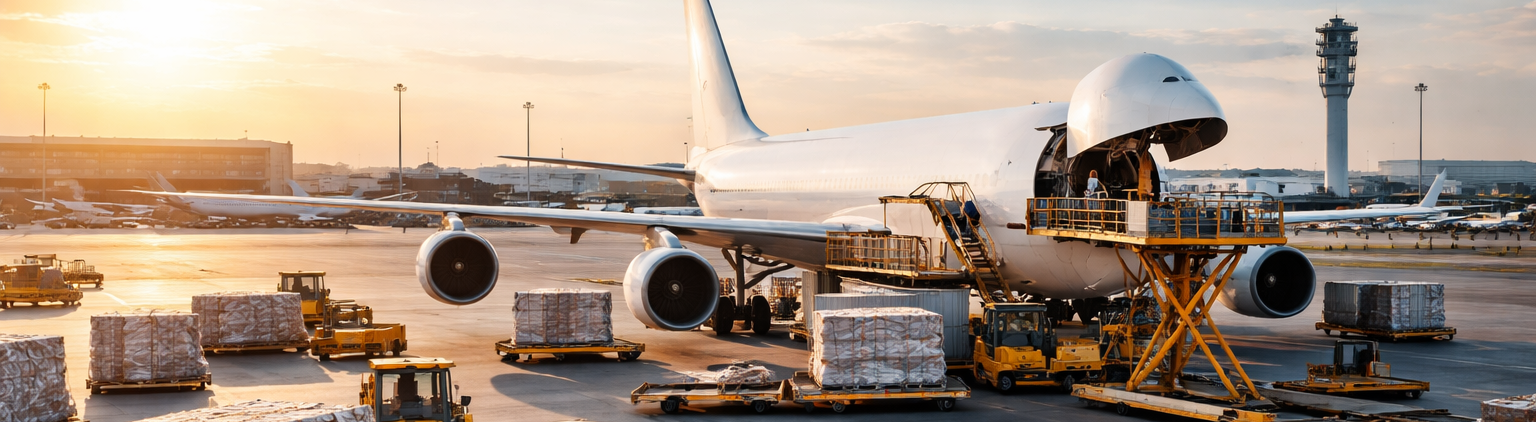
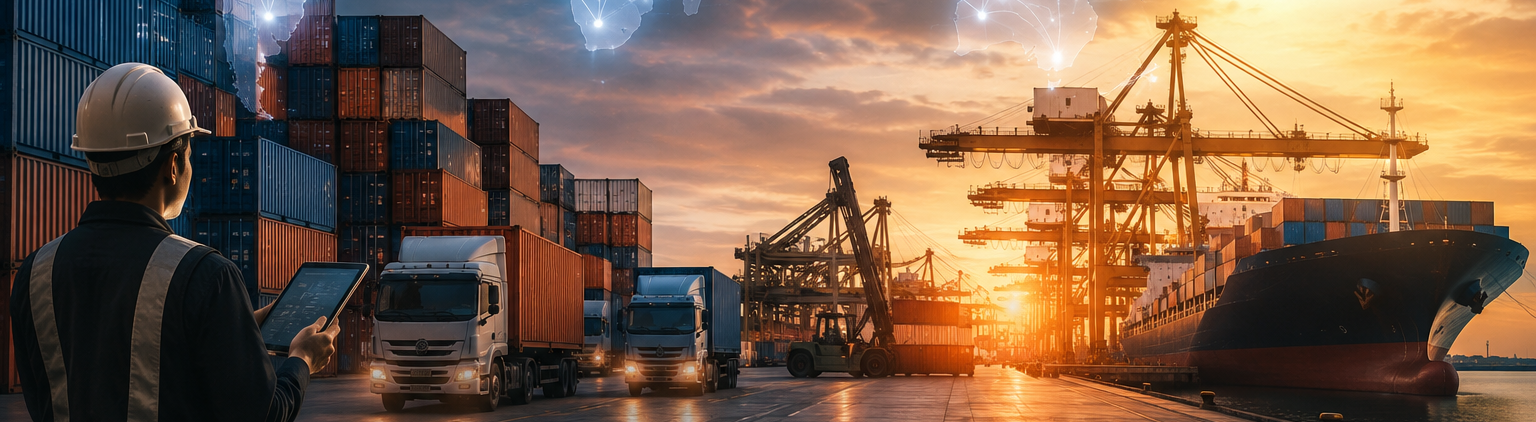
Changes in tariff policies, industrial relocation programmes and regional agreements are leading to significant changes in international cargo corridors.
Multinational companies evaluate alternative suppliers, develop geographical diversification strategies and strengthen regional operations to reduce exposure to regulatory changes.
This dynamic drives new opportunities for logistics operators capable of providing international coverage, external trade advice and integrated solutions for multiple markets.
Technology strengthens policy compliance
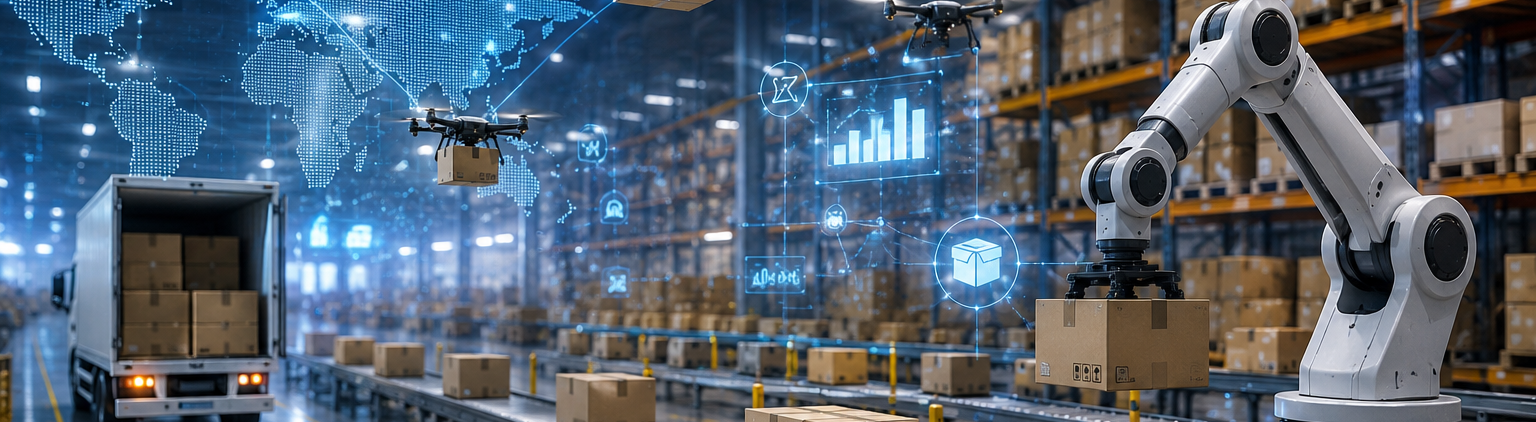
The increasing complexity of regulation leads to a greater incorporation of digital tools in international logistics.
Artificial intelligence begins to play a relevant role in documentary validation, tariff classification, regulatory monitoring and automation of compliance processes. These technologies allow for the reduction of administrative errors, the acceleration of verifications and the improvement of response capacity to regulatory changes.
Technology investment acquires a strategic value for companies operating in multiple jurisdictions.
Latin America faces an opportunity for integration
Latin American countries continue to make progress in customs modernization and digitization of foreign trade programmes. At the same time, the region seeks to strengthen trade agreements and attract investment linked to global vendor diversification processes.
Las empresas que desarrollen capacidades sólidas de gestión regulatoria podrán acceder con mayor facilidad a mercados internacionales, reducir riesgos operativos y construir relaciones comerciales de mayor estabilidad.
La integración entre estrategia comercial, cumplimiento normativo y eficiencia logística aparece como uno de los principales factores de crecimiento para la próxima década.